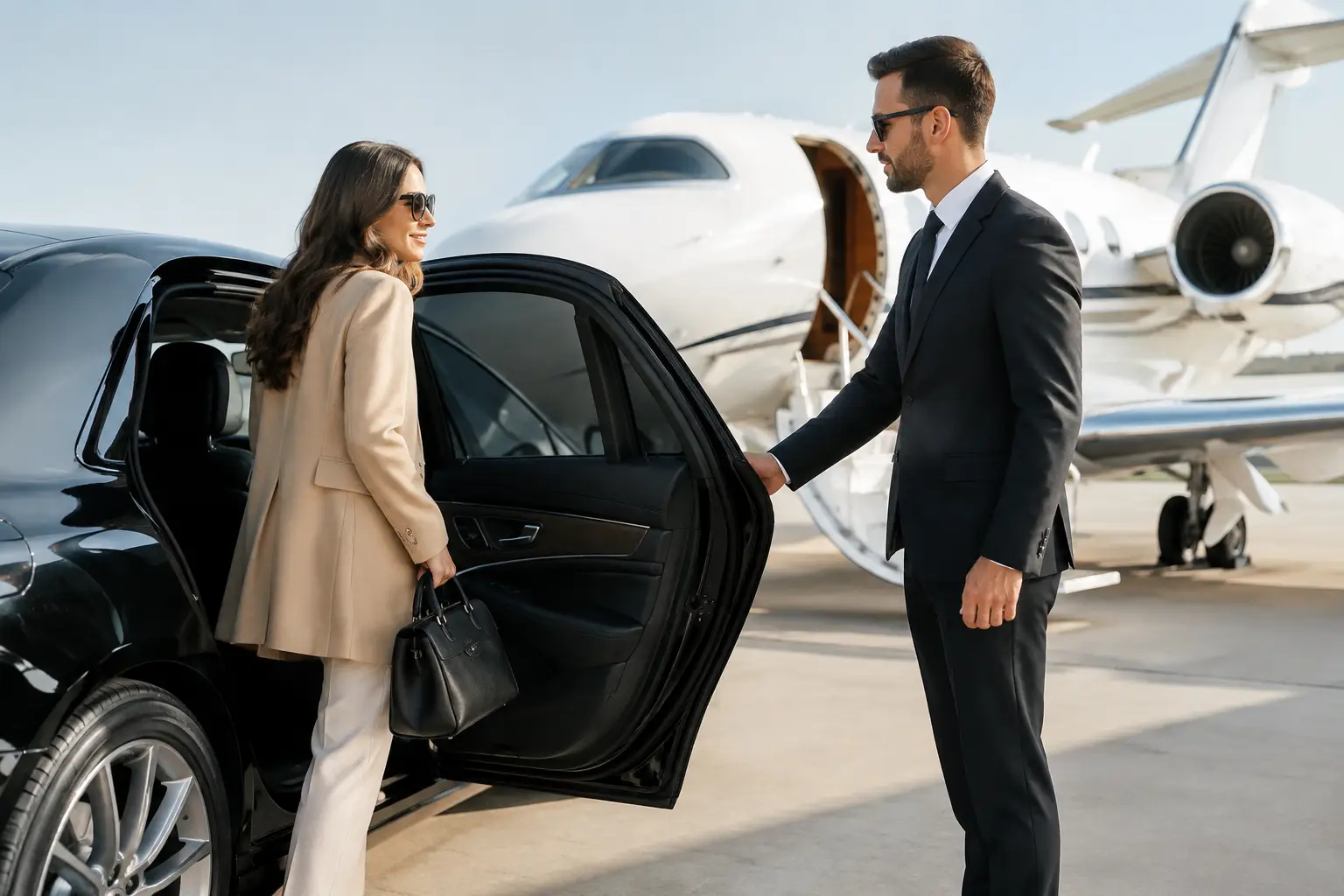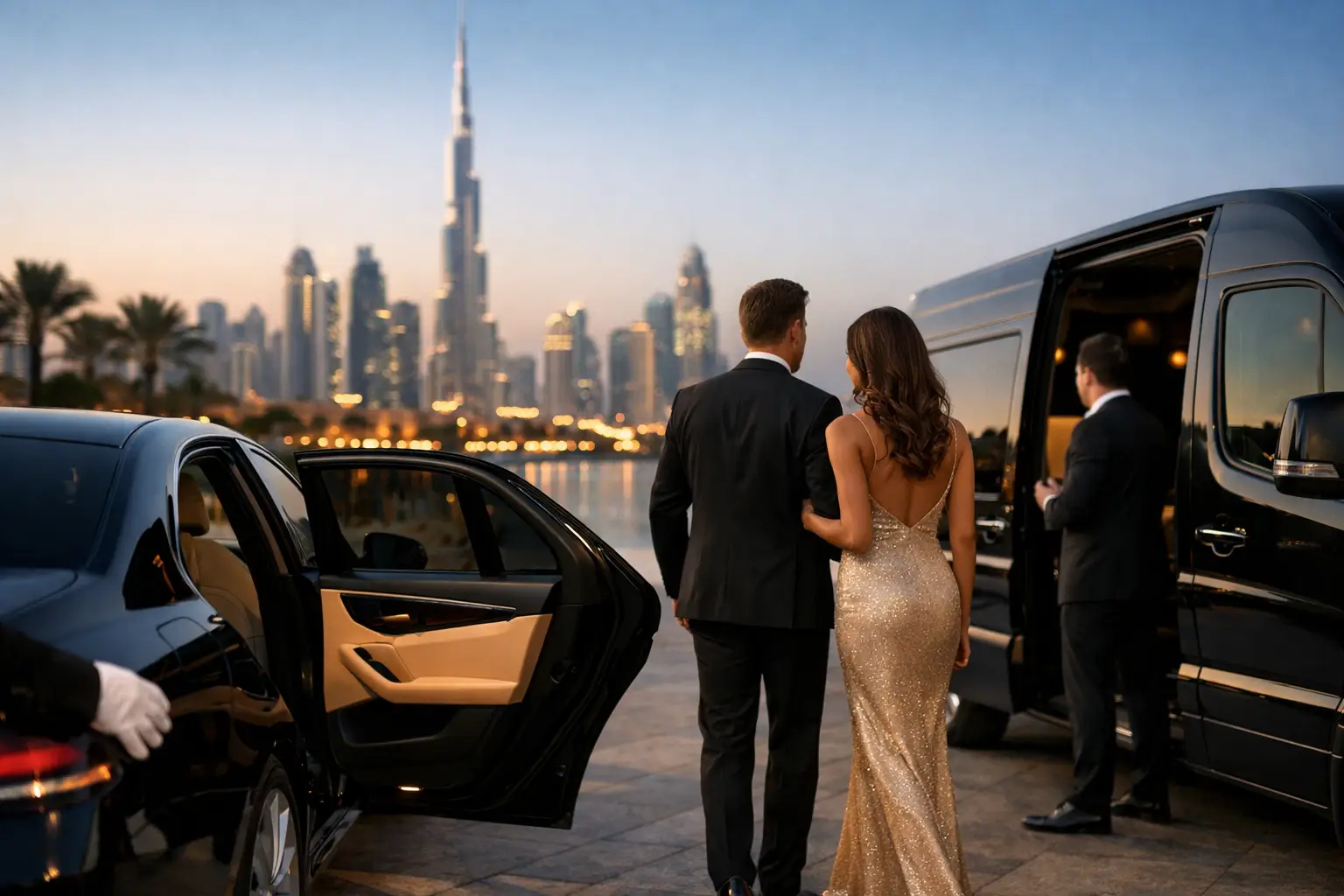
A VIP arrival is noticed before the guest reaches the venue door. The vehicle, the chauffeur’s timing, the ease of stepping out, and the absence of confusion all shape the first impression. This guide to VIP event transportation explains how to plan that experience with the level of care expected at executive meetings, private celebrations, luxury brand events, conferences, and high-profile gatherings in Dubai.
Event transport is not simply a matter of reserving premium vehicles. It is a moving part of the guest experience, with schedules, security expectations, venue access, luggage, traffic, and personal preferences to consider. The strongest plans feel effortless to guests because the detail has been handled well in advance.
Start With the Event, Not the Vehicle
A luxury sedan may be ideal for an executive arriving alone at a business dinner, yet it may not be the right choice for a family attending a gala, a delegation traveling between hotels and a convention center, or a wedding party with formalwear and gifts. Begin with the event’s purpose, guest profile, venue, and timing before selecting a fleet.
Consider the arrival experience you want to create. A corporate host may prioritize privacy, punctuality, and an understated vehicle presentation. A social event may call for coordinated arrivals, a larger luxury SUV, or an hourly chauffeur arrangement that keeps transportation available throughout the evening. For airport-to-event journeys, luggage capacity and flight monitoring matter just as much as appearance.
The guest’s itinerary should also guide the service. A single point-to-point transfer works well for a defined schedule. Hourly chauffeur hire is often a better fit when an itinerary includes several meetings, a venue change, an unplanned extension, or a late departure. This flexibility protects the experience from the small delays that can otherwise create unnecessary stress.
Build a VIP Event Transportation Timeline
The difference between a polished arrival and a rushed one is usually found in the timeline. Work backward from the moment each guest needs to be at the venue, rather than from the event start time. A guest speaking on stage, hosting clients, or attending a formal reception needs time to settle in before the public-facing portion of the event begins.
In Dubai, travel timing can shift quickly around major exhibition periods, international sporting events, holiday weekends, and peak evening traffic. Hotel valet queues, security gates, restricted access roads, and large venue entrances can add time even when the driving distance is short. A professional transportation plan accounts for these realities rather than relying on the estimated drive time alone.
For high-priority guests, schedule a sensible buffer. This does not mean having someone wait excessively. It means giving the chauffeur enough room to manage route adjustments, curbside protocol, and the unexpected without placing the guest under pressure.
Share the Details That Make Timing Work
A chauffeur service can perform at its best when it receives clear, current information. Provide flight details for airport pickups, exact hotel and venue addresses, event contact names, guest mobile numbers where appropriate, and the preferred pickup time. If the venue has a specific VIP entrance, loading area, or security procedure, include it before the day of service.
For corporate groups and delegations, a simple transport manifest helps prevent mix-ups. It should identify passenger names, pickup locations, vehicle assignments, luggage needs, and return arrangements. Changes will happen, especially with international travelers, but a well-organized starting point makes those changes easier to manage discreetly.
Select the Fleet for Comfort, Image, and Practicality
The right vehicle should support both the guest’s comfort and the event’s character. Luxury sedans suit executive travel, private dinners, and individual VIP transfers where a refined, quiet cabin is the priority. Premium SUVs offer more space for families, small groups, luggage, and formal event attire while retaining a strong arrival presence.
Electric luxury vehicles, including Tesla models, offer another compelling option for guests who value modern design and responsible travel. They make a sophisticated statement without being overly showy, particularly for sustainability-minded companies, technology events, and international visitors who appreciate forward-looking hospitality.
Do not choose solely by passenger count. A vehicle listed for four passengers may feel less comfortable when guests carry large luggage, wear evening attire, or need additional personal space. The best choice depends on the full journey, not just the number of seats.
When several vehicles are required, consistency matters. A coordinated fleet presentation reinforces the quality of the event and makes it easier for guests to identify their ride. It also helps organizers maintain a clear view of who is traveling where and when.
Put Discretion at the Center of the Service
VIP transportation often involves guests who value privacy as much as luxury. Executives may need a quiet environment to prepare for a meeting. Public figures may prefer low-profile handling. Families may simply want the reassurance of a trained professional who understands how to provide attentive service without being intrusive.
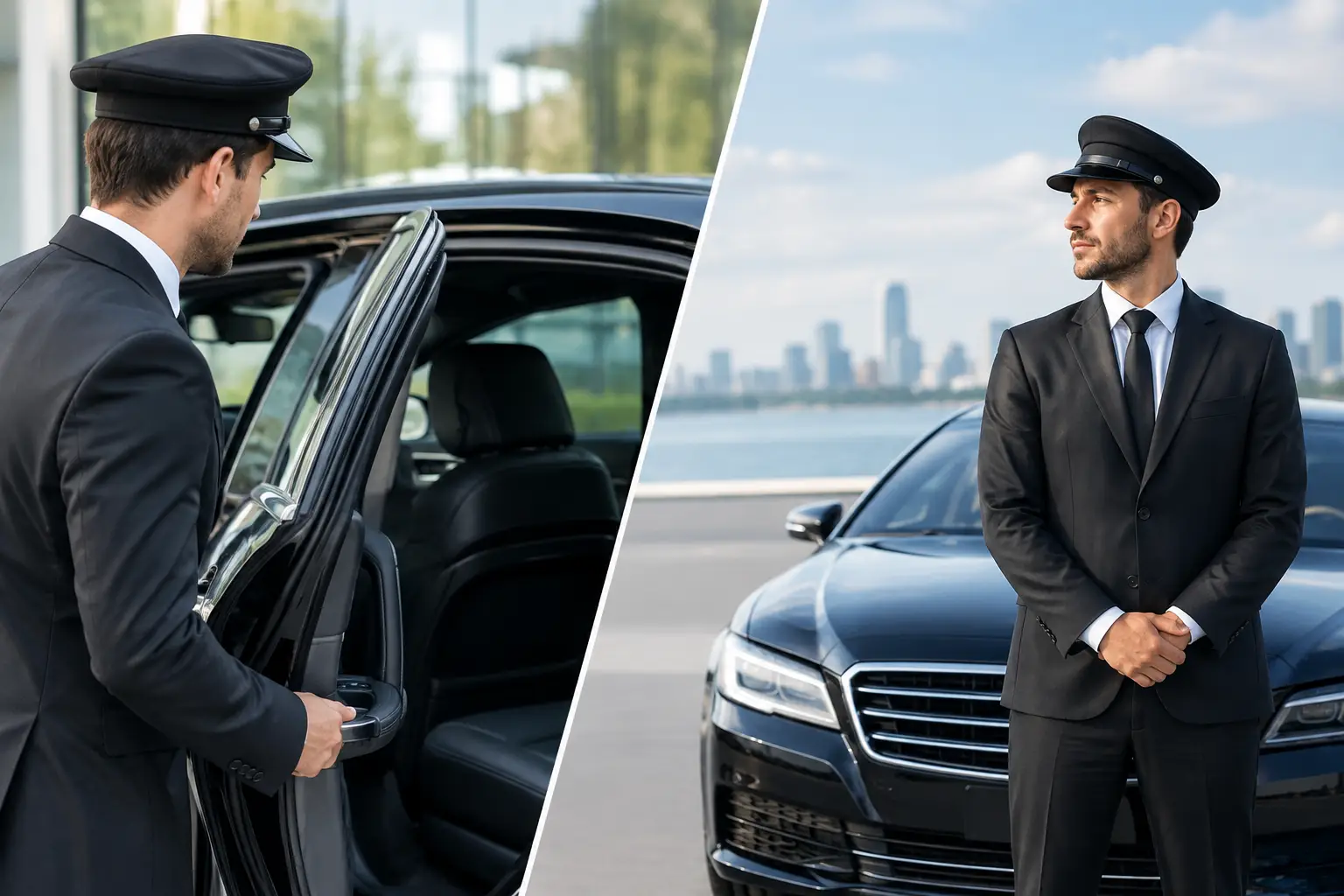
This is where chauffeur standards matter. A professional English-speaking chauffeur should be appropriately presented, knowledgeable about local routes and venue logistics, and able to communicate clearly with guests and event coordinators. The chauffeur’s role is not limited to driving. It is to create a calm, dependable environment from pickup through drop-off.
Discretion also applies to planning. Passenger information, travel schedules, and event details should be handled carefully. For sensitive corporate occasions, it is wise to limit itinerary access to the people who genuinely need it and establish one clear point of contact for transportation decisions.
Prepare for Venue Logistics and Traffic Changes
Even the finest vehicle cannot compensate for a poorly planned venue arrival. Before the event, confirm where chauffeurs may wait, whether vehicles need special access credentials, and how long they are permitted to remain curbside. Luxury hotels, exhibition venues, private residences, and major event spaces each operate differently.
A site visit can be worthwhile for a major event, particularly if guests are arriving in multiple vehicles or at a new venue. It helps identify the preferred entrance, turning points, valet procedures, and a practical holding area for vehicles between transfers. For smaller events, an experienced chauffeur provider can often coordinate these details directly with the venue team.
Traffic contingencies should be agreed upon in advance. If a road closure, heavy congestion, or delayed flight affects the plan, the team should know who can authorize changes and how guests will be informed. GPS-tracked vehicles and active dispatch support provide useful operational visibility, but clear communication remains just as valuable.
Match the Service Format to the Occasion
Point-to-point transportation is efficient for a straightforward airport arrival, hotel-to-venue transfer, or planned departure after an event. It offers clarity on timing and works especially well for guests with fixed schedules.
Hourly chauffeur service offers greater freedom when the schedule is fluid. The vehicle remains available for meetings, dining, shopping, venue changes, or a return trip that cannot be precisely timed. For hosts managing VIP guests, this arrangement can feel more considerate because it removes the need to repeatedly arrange transportation during the day.
For multi-day conferences, roadshows, or extended visits in Dubai and Abu Dhabi, a dedicated daily or monthly chauffeur arrangement may be the most practical choice. It creates continuity for the guest and gives organizers a reliable transport framework across changing appointments.
Dizin Black Diamond approaches these arrangements as hospitality planning, combining insured premium vehicles, trained chauffeurs, and around-the-clock support to meet the needs of business and leisure travelers alike.
Keep the Guest Experience Personal
The most memorable VIP transportation is thoughtful rather than theatrical. Confirm a guest’s preferred name, language needs, luggage requirements, child seat requests, and any mobility considerations before pickup. For a long airport transfer or an important client journey, small details such as cabin temperature, quiet travel preferences, and a direct route can make a meaningful difference.
For event hosts, communication should be equally polished. Guests should know where to meet the chauffeur and what vehicle to expect without receiving an overload of messages. A concise confirmation before the journey and a clear contact route for last-minute changes are usually enough.
The goal is simple: guests should feel expected, cared for, and in control of their time. When transportation is planned with that standard in mind, the ride becomes part of the occasion rather than a gap between destinations.
The next time you organize a VIP event, treat every pickup as a moment of hospitality. A well-prepared chauffeur, the right vehicle, and a calm plan behind the scenes give your guests the confidence to arrive ready for what matters.