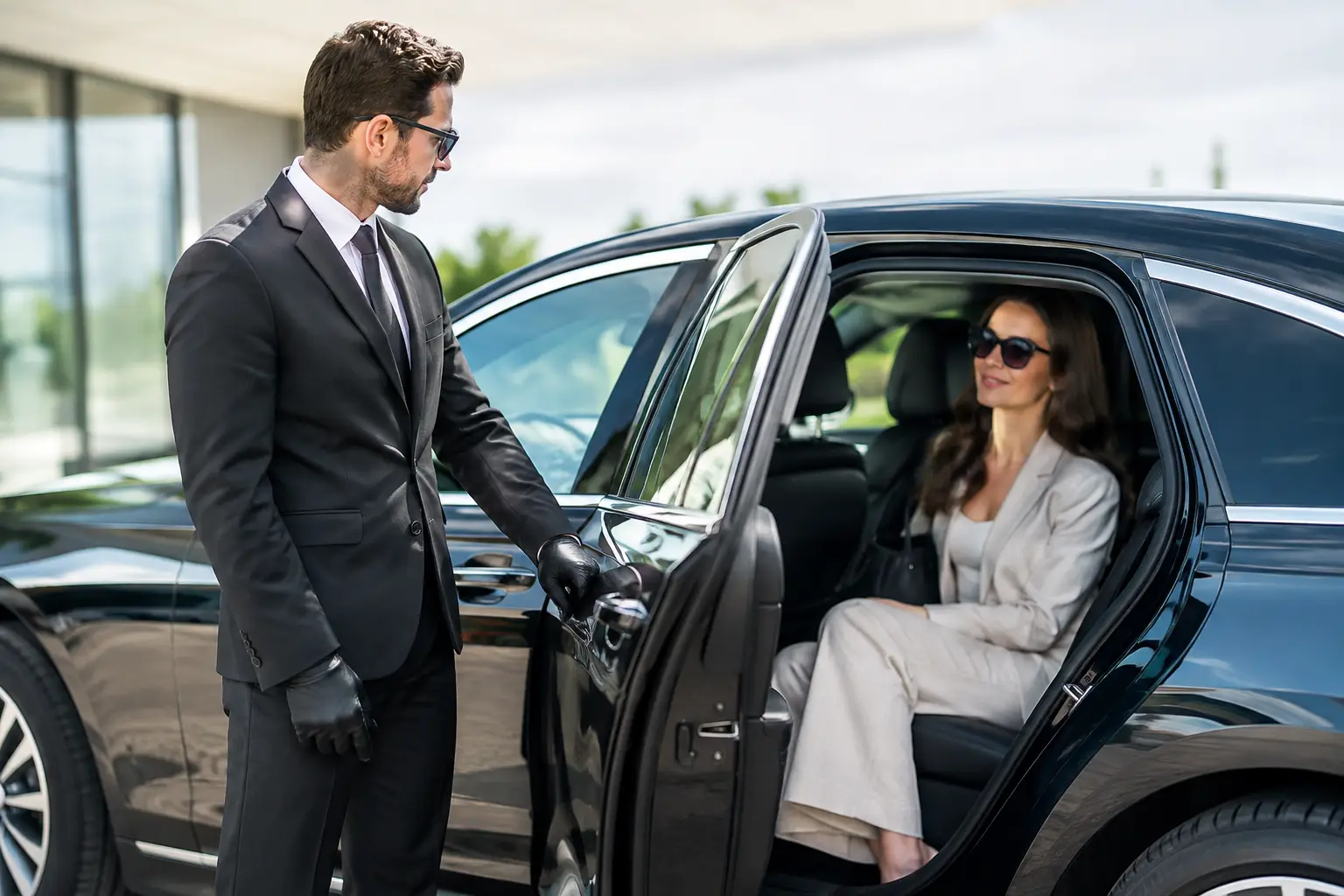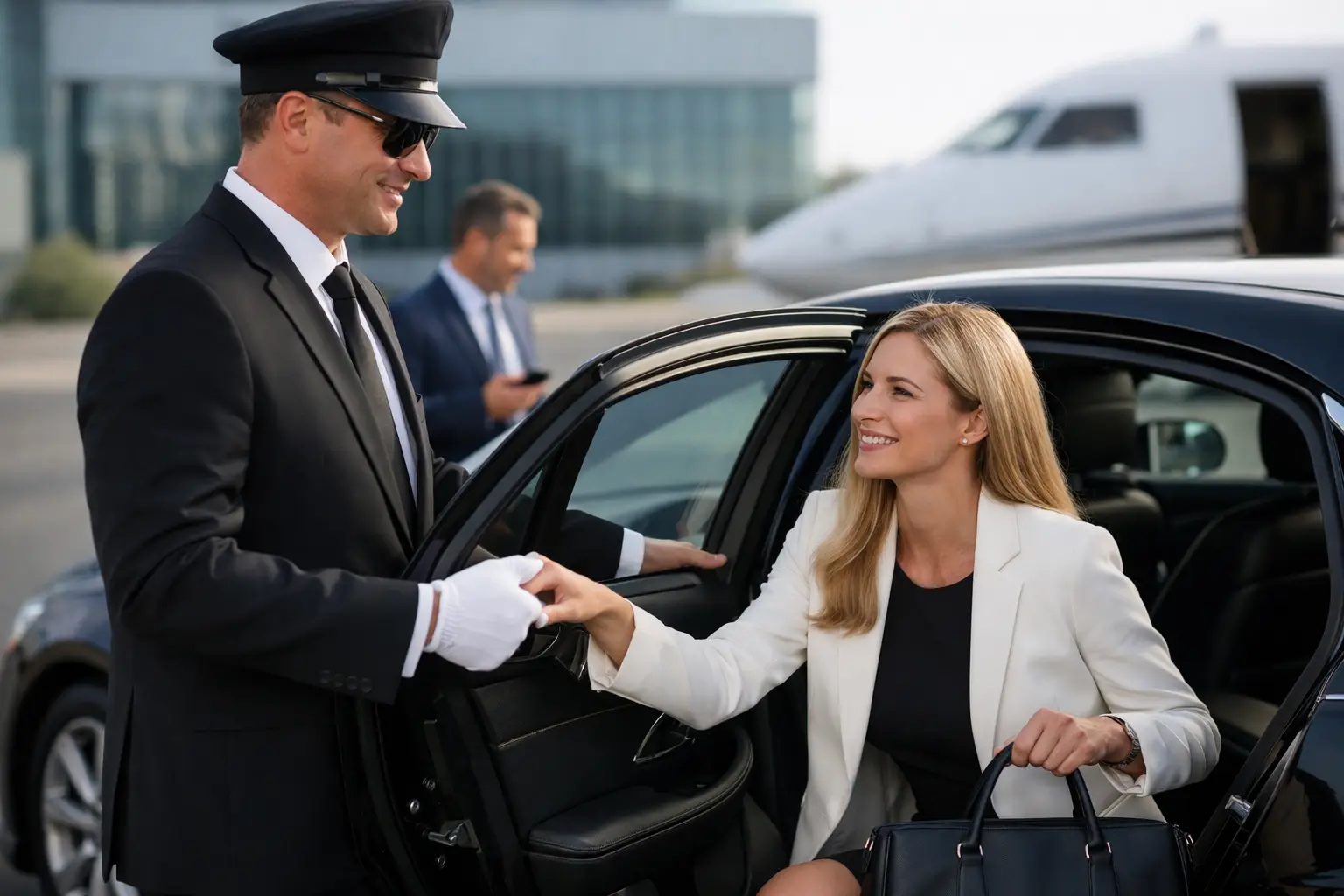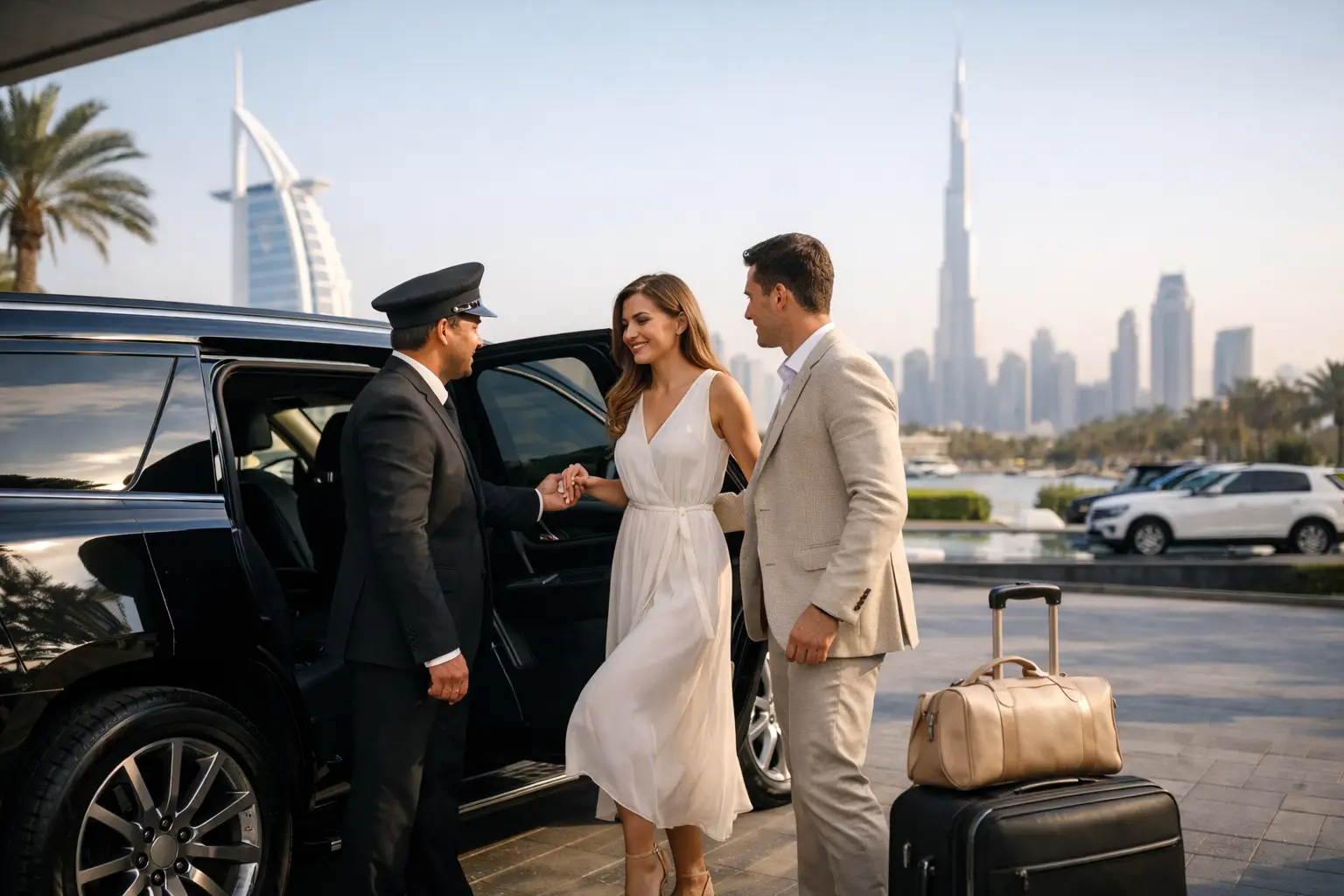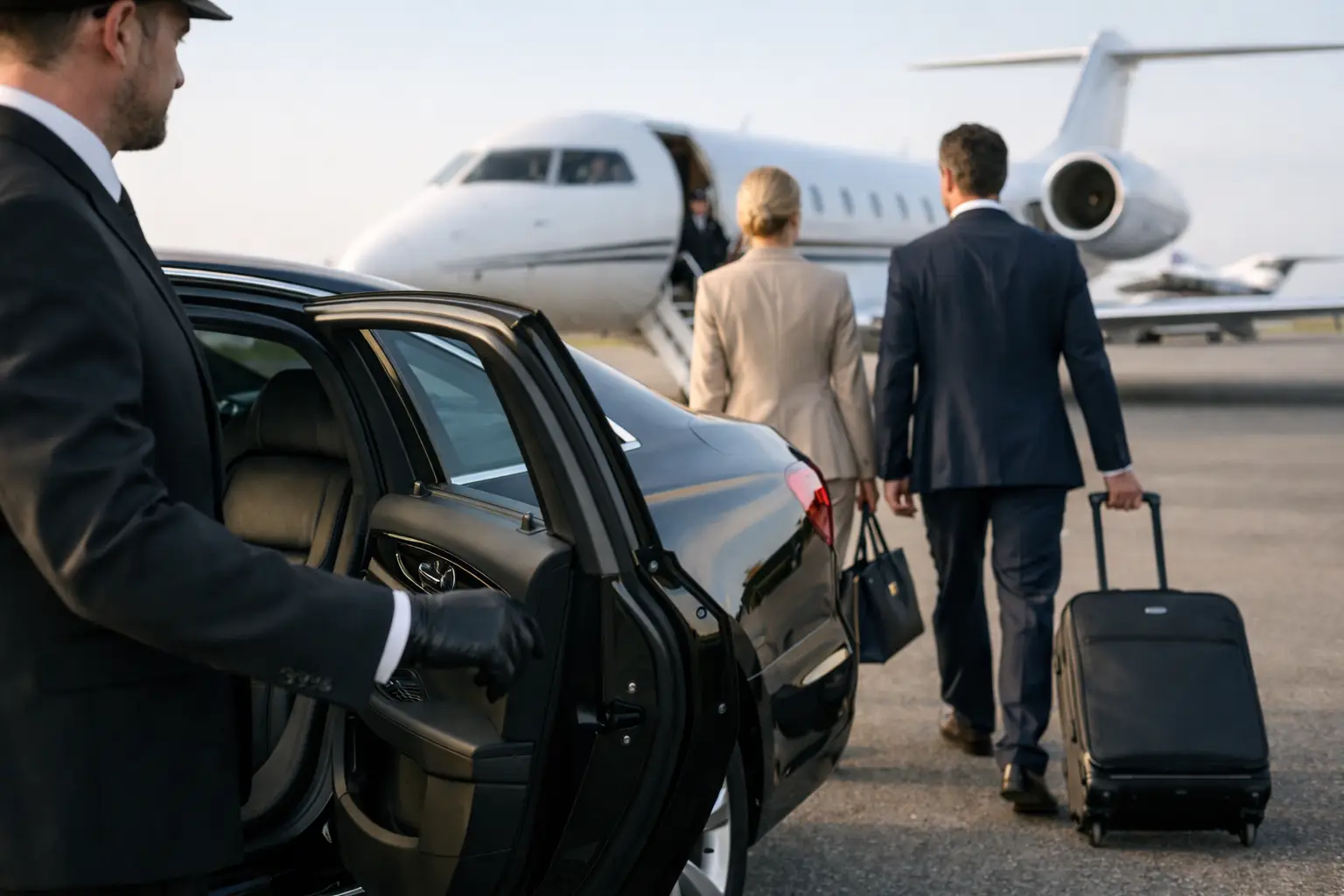
A roadshow starts to feel fragile the moment one car arrives late, one venue runs over, or one guest is left waiting curbside. When investors, senior leadership, or international clients are moving across a tightly timed schedule, transportation stops being a background detail and becomes part of the event’s performance.
That is why knowing how to arrange executive roadshow transport matters well before the first pickup. The right plan protects punctuality, presentation, privacy, and the calm your guests expect when every meeting carries weight.
What executive roadshow transport actually requires
Executive roadshow transport is not the same as booking a few premium rides between meetings. A roadshow has moving parts, often across multiple stops, changing schedules, different passenger groups, and little margin for delay. One executive may need airport pickup and direct transfer to a breakfast briefing, while another joins later from a hotel, and a third vehicle handles support staff or luggage.
The transportation plan has to account for timing, route logic, security preferences, building access, and who needs to travel with whom. It also has to reflect the image of the organization. If the day is designed to impress board members, investors, or VIP guests, the vehicle experience should match the standard set by the meetings themselves.
This is where a chauffeur-led service changes the equation. Professional chauffeurs are not simply drivers. They manage arrivals with discretion, understand how to work around live schedule changes, and help maintain a polished pace throughout the day.
How to arrange executive roadshow transport without gaps
The most effective approach begins with the itinerary, not the fleet. Before selecting vehicles, map every stop in order and identify the non-negotiables. That means confirmed pickup times, venue addresses, entry points, principal passengers, flight details if relevant, and the latest acceptable arrival time for each meeting.
Once the schedule is mapped, look closely at where flexibility is needed. Some roadshows run with fixed appointment windows. Others involve meetings that may run long if discussion is productive. That difference matters because it affects whether you need vehicles dedicated by the hour, standby support, or staggered dispatch planning.
Passenger grouping comes next. Senior executives may need separate vehicles for privacy or calls between meetings. A delegation might prefer traveling together for internal briefings on the move. Support staff, PR teams, or assistants may require their own transport so the principal vehicle remains quiet and uncluttered. These choices are not only about comfort. They influence timing, fleet size, and curbside coordination.
The final step in early planning is identifying risk points. Airports, financial districts, convention areas, and hotel loading zones all create different pressure points. A well-run roadshow plan anticipates traffic patterns, security check-ins, valet congestion, and the time it takes to move guests from lobby to vehicle.
Choose the right vehicle strategy for the day
A roadshow should not feel improvised. Vehicle selection needs to align with both operational demand and executive expectations.
For one or two senior travelers moving through a high-stakes schedule, a premium sedan or luxury EV often makes the most sense. It offers a quiet cabin, executive presentation, and enough privacy for calls and preparation between stops. For larger groups, luxury SUVs or executive vans may be more practical, especially when luggage, presentation materials, or additional staff are involved.
There is also a brand dimension to consider. For many companies, arriving in a modern electric luxury vehicle supports a more current and thoughtful corporate image. For others, the priority may be interior space, traditional executive styling, or a specific passenger preference. There is no universal answer. The best fleet plan fits the tone of the roadshow and the people attending it.
Consistency matters more than many planners expect. If several executives are traveling under the same corporate program, mismatched vehicle quality can create the wrong impression. A coordinated fleet presents better and reduces friction on the day.
Build around chauffeurs, not just cars
If you are deciding how to arrange executive roadshow transport, focus as much on the chauffeur team as the vehicles themselves. In practice, the chauffeur is the person holding the day together between venues.
Experienced executive chauffeurs understand timing pressure and guest etiquette. They know when to be visible and when to remain discreet. They can coordinate directly with assistants, hotel staff, and event contacts without creating noise around the client. For international guests, clear English communication is especially valuable because it removes uncertainty at each handoff.
Ask for chauffeurs who are trained for corporate and VIP service, not only luxury driving. The difference shows up in details such as route discipline, pickup positioning, appearance, and the ability to adapt calmly when a meeting ends twenty minutes early or runs forty minutes late.
For multi-vehicle movements, you also want central coordination behind the scenes. A lead dispatcher or operations contact can handle timing adjustments across the fleet so executives are not fielding transport questions themselves.
Timing should include buffers, not optimism
Many roadshow schedules look efficient on paper and fail in real traffic. A polished itinerary leaves room for real-world conditions.
Build buffer time into each transfer, especially for airport arrivals, downtown business districts, and venues with controlled access. If an executive absolutely must be inside a boardroom at 10:00 a.m., the transport plan should target arrival well before that point. The goal is not to fill every minute. The goal is to protect the schedule.
This is particularly true when a roadshow includes multiple stops in one day. Delays compound. A ten-minute slip in the morning can become a much larger problem by the third venue if there is no recovery time built in.
At the same time, too much padding can make guests feel over-managed. The right balance depends on meeting importance, city traffic patterns, and whether principals prefer a more relaxed or tightly structured flow.
Communication is the real control system
The smoothest roadshows usually look effortless because communication has been handled in advance. Every key party should know the live plan before the first pickup.
That includes passenger names, mobile numbers where appropriate, hotel details, flight tracking information, venue contacts, and any specific arrival protocol. If one guest prefers to be dropped at a private entrance and another needs assistance with luggage and check-in timing, those details should be documented before the day begins.
One point of contact is essential. Whether it is an executive assistant, event lead, or transport coordinator, someone should be authorized to approve changes in real time. Without that structure, drivers receive conflicting instructions, passengers get mixed messages, and delays become harder to contain.
This is where premium providers stand apart. A service-oriented operator plans communication as carefully as vehicle dispatch, which is often what keeps the experience calm even when the schedule shifts.
Prepare for the changes that always come
Roadshows rarely run exactly as first planned. Flights move, meetings shorten, guests add stops, and security protocols change with little notice. The question is not whether adjustments will happen. It is whether the transport plan can absorb them gracefully.
Hourly bookings are often better than fixed point-to-point transfers for roadshows with uncertain timing. They give the schedule room to breathe and reduce the need to keep rebooking cars throughout the day. In some cases, keeping a backup vehicle or reserve chauffeur available is wise, especially for large delegations or high-profile guests.
Contingency planning also includes simple but crucial details: alternative routes, secondary pickup points, extra wait time, and a plan for luggage or presentation materials. If the stakes are high, small oversights become very visible.
For executive travel in markets such as Dubai and Abu Dhabi, where presentation and punctuality often carry equal importance, working with a chauffeur company that can manage both luxury standards and operational precision is particularly valuable. Providers such as Dizin Black Diamond are built around that expectation, where hospitality and logistics are treated as part of the same service.
The standard your guests will remember
Guests may forget the exact route between meetings, but they will remember how the day felt. They will remember whether arrivals were calm, whether someone was waiting when expected, whether the vehicle matched the occasion, and whether they had space to prepare between stops.
That is the real answer to how to arrange executive roadshow transport. Start early, plan around the itinerary, choose the right vehicles, insist on experienced chauffeurs, and leave room for change. When transportation is handled at that level, the roadshow feels composed from the first pickup to the final drop-off.
A well-managed car service does more than move people on time. It protects the tone of the entire day.